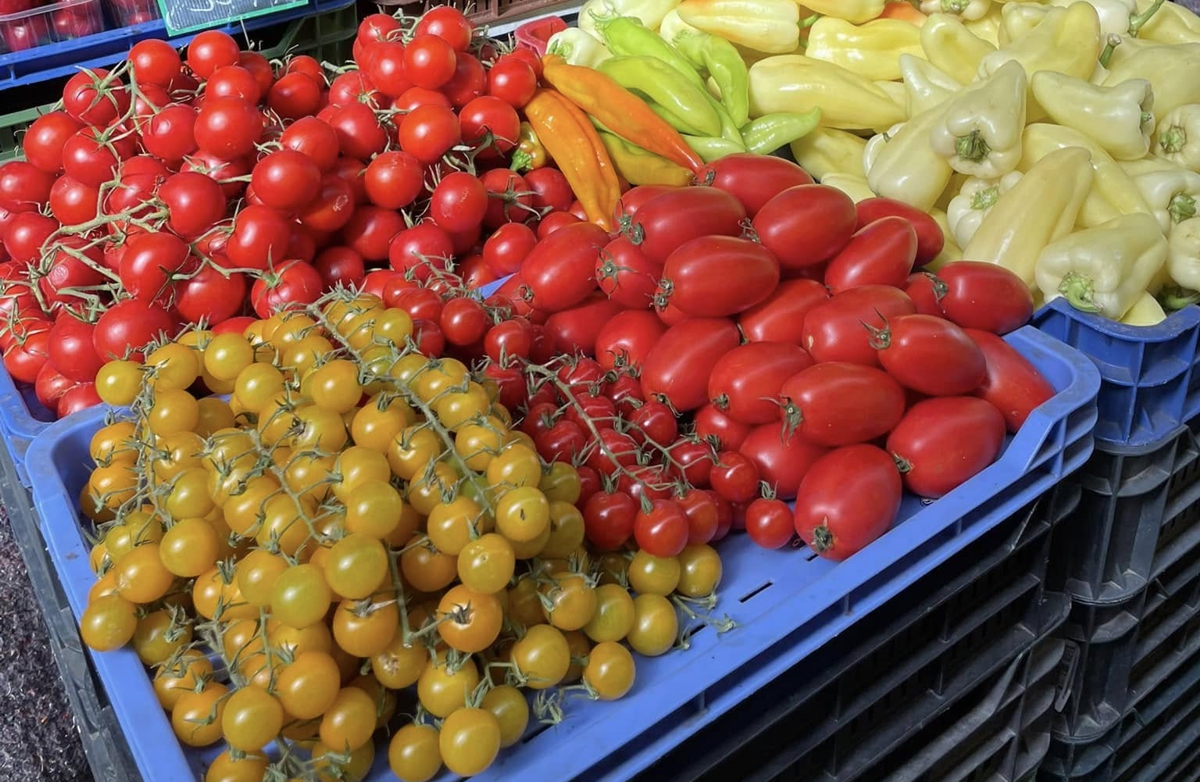

Cross the Stone Bridge, walk up through the Old Bazaar, and keep going until the souvenir shops give way to crates of tomatoes and the smell of ripe peaches and grilled corn. That’s Bit Pazar – Skopje’s biggest and oldest market, and the place to come if you want to see how the city actually feeds itself rather than how it poses for photos. It’s noisy, packed and completely un-touristy, which is exactly why it’s worth an hour.
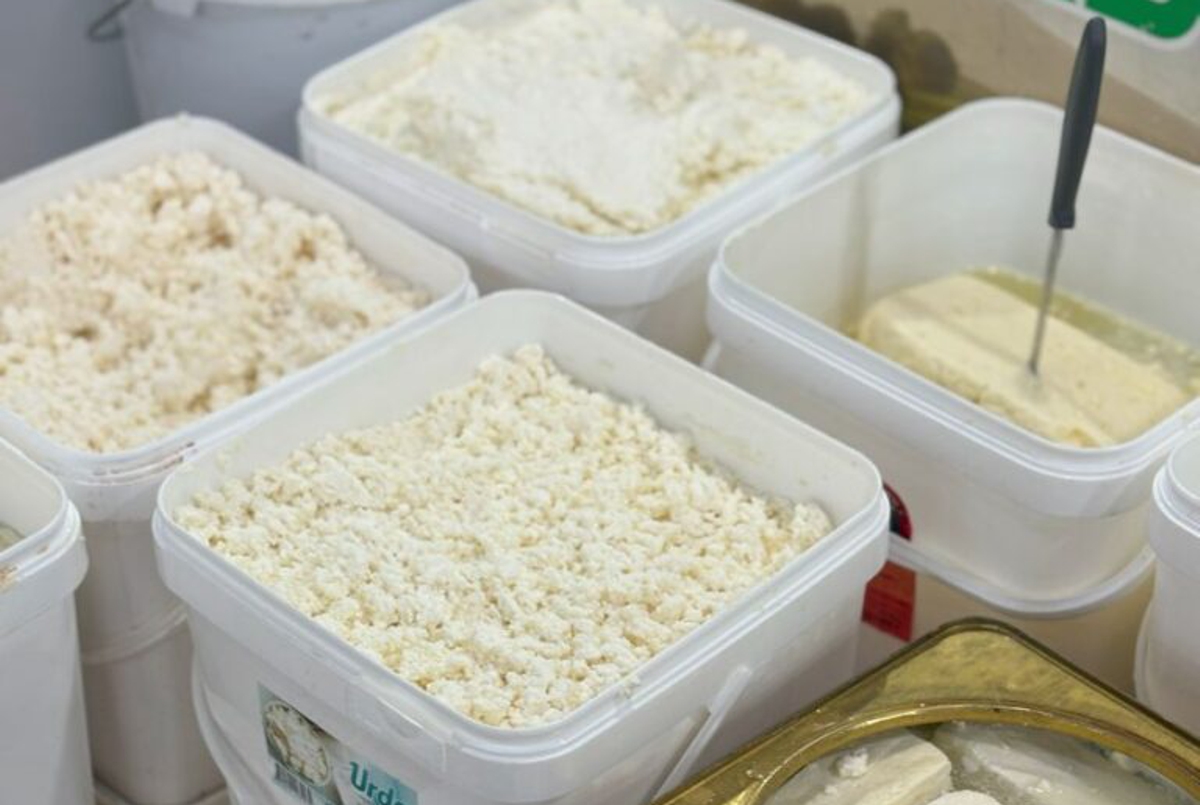 Go for the food. In summer the stalls overflow with peppers, tomatoes and stone fruit – this is ajvar country, and in early autumn you’ll see whole families buying red peppers by the sackful to roast. Look for local white cheese (sirenje) and kashkaval, barrels of olives, dried mountain tea, and jars of honey. Even if you’re not cooking, a bag of fruit and a wedge of cheese make the best cheap lunch in Skopje. The non-food stalls are more hit-and-miss, so browse for the atmosphere rather than the bargains.
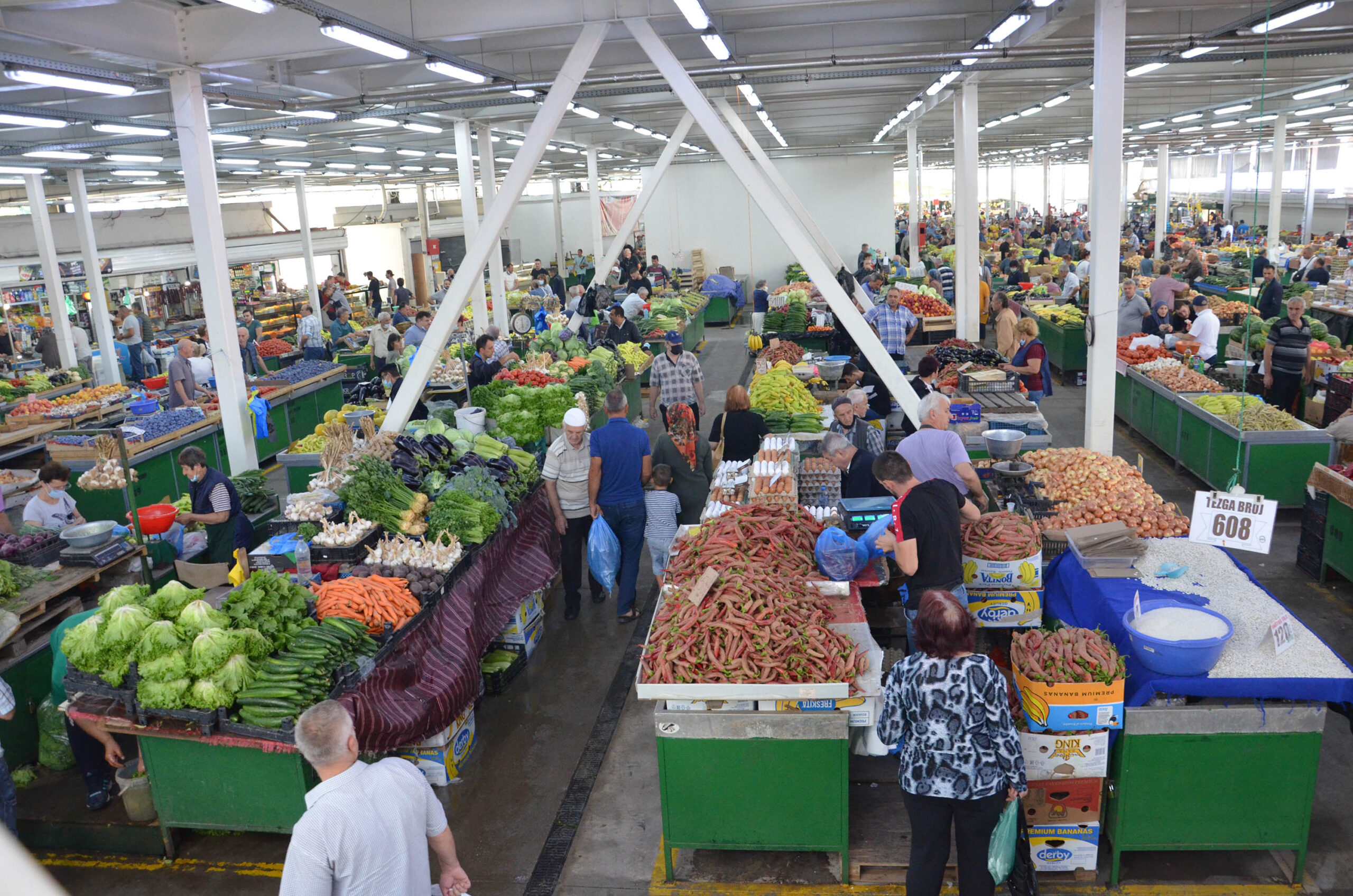 Mornings are best – the produce is freshest and the light is good for photos – and the market runs busiest toward the weekend. Bring cash in small denars; almost nobody takes cards. It gets genuinely crowded, so keep your bag zipped and your phone in a front pocket, the same as at any big city market. Ask before photographing individual vendors up close; most are relaxed about it, but a smile goes a long way. Prices are low and often by the kilo, and a little pointing and counting gets you a long way without Macedonian.
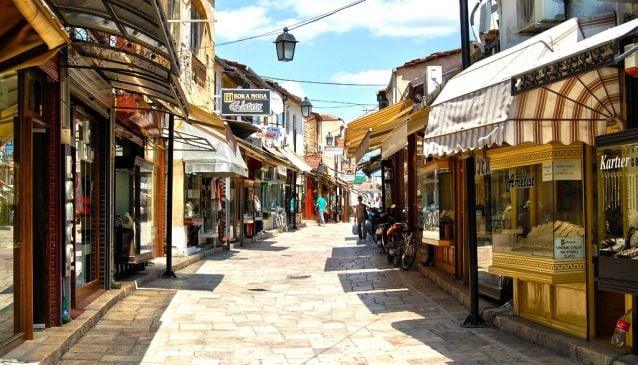 Bit Pazar flows straight out of the Old Bazaar, so pair it with a wander through the cobbled lanes, a coffee in one of the old han courtyards, and a plate of kebapi nearby. It’s the grittier, realer bookend to the tidy postcard version of Skopje just across the bridge. Opening times can vary with the season and weather, so treat mid-morning any day but especially weekends as your safe bet (verify).
What Bit Pazar is
Sitting at the northern edge of the Old Bazaar, Bit Pazar is a sprawling open-air market that has been the trading heart of this side of the river for generations. Farmers bring in fruit and vegetables from the surrounding countryside, and around the produce sprawls everything else – cheese and olives, dried beans and peppers, herbs and honey, plus a chaotic outer ring of clothes, tools and household bits. It’s the everyday, working counterpart to the polished centre across the Vardar.What to look for
Go for the food. In summer the stalls overflow with peppers, tomatoes and stone fruit – this is ajvar country, and in early autumn you’ll see whole families buying red peppers by the sackful to roast. Look for local white cheese (sirenje) and kashkaval, barrels of olives, dried mountain tea, and jars of honey. Even if you’re not cooking, a bag of fruit and a wedge of cheese make the best cheap lunch in Skopje. The non-food stalls are more hit-and-miss, so browse for the atmosphere rather than the bargains.
Tips for visiting
Mornings are best – the produce is freshest and the light is good for photos – and the market runs busiest toward the weekend. Bring cash in small denars; almost nobody takes cards. It gets genuinely crowded, so keep your bag zipped and your phone in a front pocket, the same as at any big city market. Ask before photographing individual vendors up close; most are relaxed about it, but a smile goes a long way. Prices are low and often by the kilo, and a little pointing and counting gets you a long way without Macedonian.
While you’re here
Bit Pazar flows straight out of the Old Bazaar, so pair it with a wander through the cobbled lanes, a coffee in one of the old han courtyards, and a plate of kebapi nearby. It’s the grittier, realer bookend to the tidy postcard version of Skopje just across the bridge. Opening times can vary with the season and weather, so treat mid-morning any day but especially weekends as your safe bet (verify).
Keep exploring: the best places to visit in Skopje